


The PDF File download link is at the bottom of the page.
This Week’s Macro Market Summary
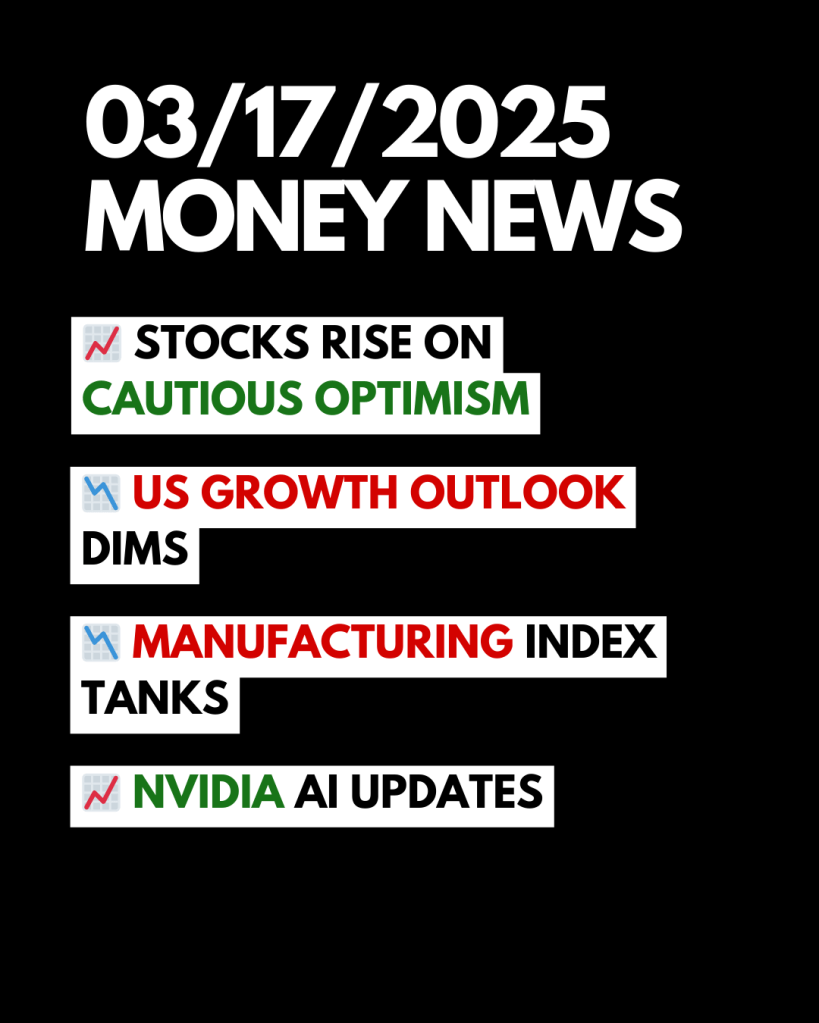
Equity markets experienced a sharp pullback in recent weeks, driven by concerns over trade tariffs, inflationary pressures, and declining consumer confidence. The University of Michigan’s consumer sentiment index plummeted to 57.9, its lowest level since November 2022, signaling growing pessimism about the economy. Despite these concerns, some analysts argue that the fundamental strength of the U.S. economy remains intact. Bank lending growth remains steady, corporate earnings continue to outperform expectations, and the Federal Reserve’s potential rate cuts later this year could provide further support to the markets.
Inflation data remains a critical factor for market sentiment. While headline inflation remains elevated, core and “super-core” inflation measures have shown signs of moderation. This trend reinforces expectations that the Federal Reserve could implement multiple rate cuts in the second half of the year. However, concerns persist regarding the potential impact of trade policies on inflation, as new tariffs could raise import costs and put upward pressure on consumer prices. The balance between inflation control and economic growth remains a key focus for investors.
Notable International Developments
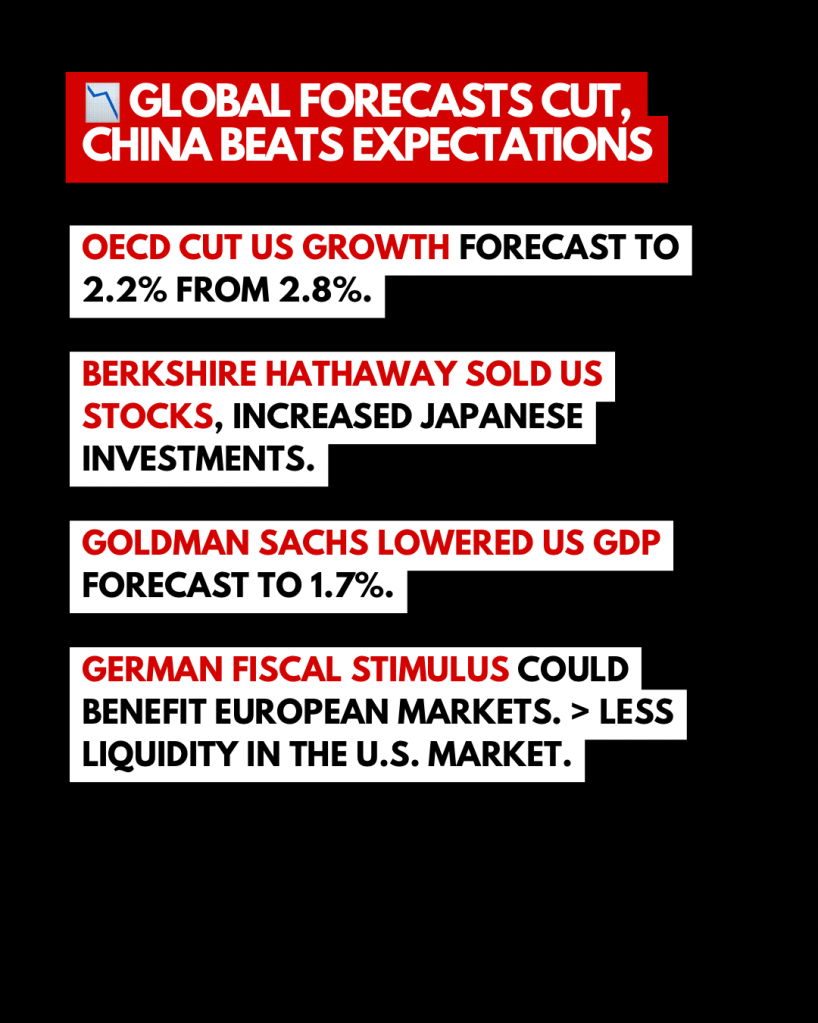
The ongoing trade tensions between the U.S. and its key partners continue to add uncertainty to global markets. The Biden administration has hinted at possible new rounds of tariffs on goods such as aluminum and steel, which could disrupt global supply chains. However, market participants remain optimistic that a near-term resolution or partial trade deal could ease these concerns. The timing of such negotiations remains uncertain, adding to market volatility.
Geopolitical factors also play a significant role in shaping the economic outlook. Rising energy prices, driven by ongoing conflicts and supply constraints, could add inflationary pressures. The U.S. government has signaled efforts to increase domestic energy production to mitigate these risks. Meanwhile, central banks in Europe and Asia are shifting towards more accommodative monetary policies to support slowing economic growth. This divergence in monetary policy between the U.S. and other major economies is influencing currency markets and global capital flows.
Bullish Arguments
Despite the recent volatility, several factors suggest that the equity market could see a strong rebound. The resilience of the U.S. economy remains a key bullish indicator. Strong bank capital ratios, increasing bank lending, and stable corporate fundamentals indicate that a deep recession is unlikely in the near term. Analysts expect U.S. GDP to grow between 2% and 2.5% in 2025, supported by productivity gains and continued consumer spending.
The Federal Reserve’s monetary policy stance also supports a bullish outlook. Market expectations for multiple interest rate cuts this year continue to grow, with some analysts predicting at least three reductions. Lower interest rates could improve liquidity conditions, driving a renewed rally in equity markets. Additionally, corporate earnings have remained strong, with many companies exceeding conservative forecasts. The potential expansion of valuation multiples from the current 19.9x forward P/E ratio to 23x–25x suggests that stocks have room for further gains.
Bearish Arguments
On the other hand, several risks could weigh on the market in the coming months. The uncertainty surrounding trade tariffs remains a major concern. Additional tariffs on key imports could lead to higher input costs for businesses, exacerbating inflationary pressures. If inflation remains stubbornly high, the Federal Reserve may be forced to delay or reduce the number of rate cuts, which could negatively impact investor sentiment.
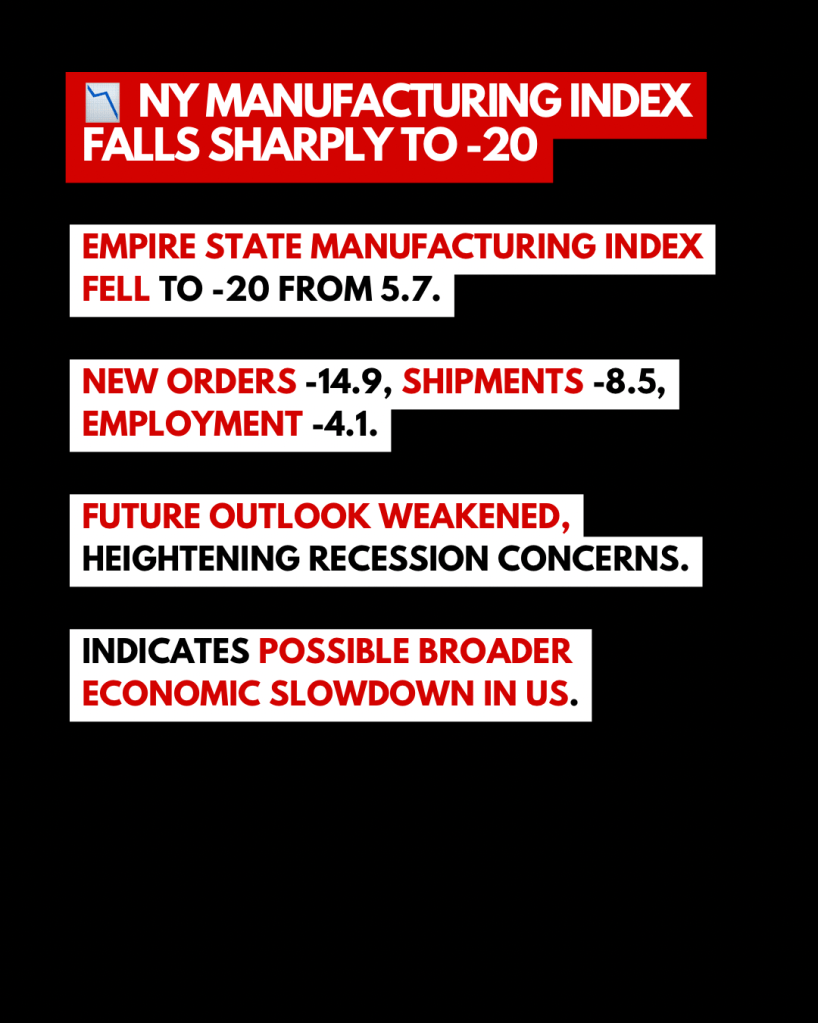
Consumer confidence has also weakened significantly. The sharp drop in the University of Michigan’s sentiment index suggests that households may cut back on spending, potentially slowing economic growth. Furthermore, some economists warn that while overall GDP estimates remain positive, certain indicators, such as the Atlanta Fed’s projection of a -2.4% growth rate for Q1, hint at underlying weaknesses in the economy. If the labor market deteriorates faster than expected, recession fears could intensify.
Another key risk is potential policy missteps. If the U.S. administration maintains a rigid stance on tariffs and trade policies, or if the Federal Reserve misjudges the timing of its rate cuts, market volatility could increase. A failure to provide the right policy mix could lead to a more pronounced downturn, similar to past economic slowdowns triggered by policy errors.
Next Week’s Market Outlook
Looking ahead, market participants will closely watch upcoming economic data releases, including inflation reports and consumer spending figures. These data points will be critical in determining whether inflation continues to moderate and whether the Federal Reserve remains on track for multiple rate cuts. Any unexpected inflationary spikes could dampen expectations for aggressive monetary easing.
Trade negotiations will also be a key focus. If positive developments emerge regarding tariff reductions or trade deals, investor sentiment could improve, leading to a market rebound. However, continued uncertainty over U.S. trade policy could keep volatility elevated.
Despite the short-term risks, many analysts maintain a cautiously optimistic outlook. If economic data does not show signs of a severe downturn and inflation remains under control, equity markets could see a relief rally. Sectors such as technology, artificial intelligence, and software are expected to lead any market recovery, driven by strong earnings growth and long-term structural tailwinds.
Quote from a Legendary Investor – Peter Lynch
Legendary fund manager Peter Lynch highlighted three common investor mistakes: assuming a stock has fallen enough and won’t drop further, believing they can perfectly time the bottom, and thinking a stock has risen too much to go higher. He referenced Polaroid as an example, where the stock fell from $130 to $100 but eventually crashed to $14. Lynch also stressed that selling great companies too early is a major mistake, advising that investors should hold onto high-growth companies for the long term.
“Know what you own, and know why you own it.” – Peter Lynch
 VAZ LLC